Through The Eyes of Justice
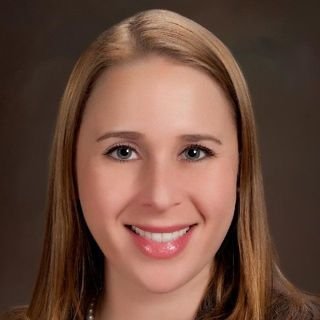
Judge Brooke Hendricks-Green
Photo Credit: https://lawyers.justia.com/lawyer/brooke-d-hendricks-green-1501794
Law Enforcement is an elegant and complicated menagerie made up of more than just the men and women who wear the badge. Their job is just one cog in the wheel of the criminal justice system. It takes many pieces working together, in compromise and harmony, to ensure laws are upheld and all sides are heard. Upholding the law isn’t finished with pressing charges and making arrests. Oh no, that is where the job begins. Officers, lawyers, and judges all work together to ensure that justice is done. This is the perspective of our current system and our law enforcement officers from the eyes of Presiding Ector County Judge, Brooke Hendricks.
TLSB: Thank you for interviewing with us Judge Hendricks. How about we start with a description of what you do for a living?
Judge Hendricks: I am the Presiding Judge of the Ector County Court at Law. I handle multiple types of cases. I carry 50% of the misdemeanor criminal docket. I handle civil cases up to $250,000 in dispute as well as probate cases. I also have a special assignment tax docket where I handle all the district and county delinquent tax cases for Ector County. Last, but certainly, not least I am the sole Juvenile Judge for Ector County. With that docket, I handle every juvenile charged with anything above a Class B misdemeanor up to murder. That also makes me Chairman of the Juvenile Board of Ector County.
TLSB: Where did you start out?
Hendricks: I graduated Manga Cum Laude from McMurry University in 2002, where I received my Bachelor of Arts in Political Science. I then attended Texas Tech University School of Law and received my Doctor of Jurisprudence in 2006. In 2014, Texas Tech honored me with the Bob Black Bar Leadership Award.
Following Law school, I moved back to West Texas to serve as the Juvenile Division Attorney for the Midland County District Attorney’s Office. I have spent the last 17 years serving Ector County and Midland County communities in multiple roles, such as Chief of the Misdemeanor Division, 1st Assistant Deputy District Attorney, Assistant County Attorney, and Felony Prosecutor in the 70th, 238th, and 441st District Courts. In between my roles with the county, I spent 2 years at Hamilton, Hull, and Rogers as a Defense Attorney.
TLSB: How often do you come in contact with law enforcement?
Hendricks: I work closely with the juvenile probation department almost on a daily basis. I also sign warrants for the Sheriff’s Office, the Odessa Police Department, and DPS.
TLSB: How closely do you work with law enforcement?
Hendricks: Same as described earlier, plus I have multiple officers that have my cell number so they can reach me anytime with issues or questions they might have. I have great respect and appreciation for their dedication to our community.
TLSB: How do you view law enforcement regarding your job description?
Hendricks: I think we have to work hand in hand. Otherwise, what is the point of arresting someone if they cannot have their day in court?
TLSB: How much of an impact do you think Odessa law enforcement has on the issues that you deal with in your courtroom?
Hendricks: They make my job easier on criminal cases. When they follow the constitution when making arrests, then there are no issues for the criminal defense attorneys to bring to my attention to throw a potential case out that would have otherwise resulted in a conviction.
TLSB: I see in your background that you have experience both as a defense attorney and as a prosecuting attorney. So you’ve worked all sides of the bench. What made you want to become a judge?
Hendricks: I have desired to be a judge for many years, but working both sides I think gave me a better perspective on my rulings. I know the issues both sides face and the difficulties that can arise during court. I furthermore think it helps me to humanize each case. I have had the privilege to practice law in front of dozens of different judges. With that experience, I think it helped mold my judicial temperament and how I wanted to rule in my courtroom.
TLSB: How is it different from being an attorney?
Hendricks: As I judge, I am just calling balls and strikes; I don’t get to pick a side. It’s very different not having an adversary. Also, I don’t get to talk nearly as much, I just have to listen.
TLSB: What do you think are the biggest issues facing our justice system today?
Hendricks: I believe one of our biggest issues is the huge backlog. People are frustrated at how long it takes their cases to make it through the system.
TLSB: In addition, I believe that certain people come into the courtroom with a certain expectation of what to expect because of TV shows, podcasts, the media, etc. which, as we all know, are not always true to life. What are your views on these issues?
Hendricks: I know there will always be a backlog. There are too many cases and not enough judges, prosecutors, attorneys, staff, etc. to move them all as efficiently as we would like. COVID of course just compounded the matter. I think that all we can do is work hard and try to make my court as available as possible to the litigants.
TLSB: Anytime we start a hearing with non-attorneys or community members (i.e. a jury trial) I do try to explain that court is nothing like what they see on TV. What is your opinion about how police officers are treated in today’s current climate?
Hendricks: I am very pro-law enforcement and get frustrated at the lack of respect today. I really hope it shifts back to being trusting and respectful of law enforcement, we cannot live our day-to-day lives without them.
TLSB: As a female judge do you feel like you were treated any differently than your counterparts?
Hendricks: Unfortunately, there have been certain instances where I have been treated differently. I would say the more I establish myself the better it has become, but there will always be that sexist person out there that will refuse to respect me regardless of my position.
TLSB: Do you feel that the current police department is effective?
Hendricks: I do. I feel as if they are doing the best they can with the resources they have. I know the OPD has equal staffing issues and officers are NEVER paid enough for the work they do.
TLSB: From your point of view how does the public view law enforcement in Odessa?
Hendricks: I do not think we have the systemic racism issues here like perceived in the bigger towns and the utter lack of respect as we see in larger metropolitan areas.
TLSB: Do you have any future goals or ambitions?
Hendricks: Eventually one day I aspire to sit on the District Court bench, but I believe God has me right where I need to be for the time being. I plan to remain on this bench until my son is older, constituent willing.
TLSB: Thank you for your time.